
 Raja Moorthy
 138 Views
 2 Min Read
Every business has unique processes, goals, and customer expectations. While many ecommerce platforms provide ready-made features, they often struggle to meet custom business requirements. As companies grow, they need greater flexibility to support unique workflows, integrate with existing systems, and scale without restrictions.
This is where open source ecommerce platforms offer a significant advantage. Unlike proprietary solutions, open source platforms provide full access to the source code, allowing businesses to customize every aspect of their ecommerce ecosystem.
Whether you're launching a B2B portal, a B2C store, or a multi-vendor marketplace, an open source platform gives you the freedom to build an ecommerce solution that grows with your business.
An open source ecommerce platform provides developers with complete access to its source code. This means businesses can modify, extend, and customize the platform according to their specific operational requirements.
From storefront design to backend functionality, every component can be tailored, including:
Instead of adapting your business to fit the platform, the platform adapts to your business.
Every business has unique processes, goals, and customer expectations. While many ecommerce platforms provide ready-made features, they often struggle to meet custom business requirements. As companies grow, they need greater flexibility to support unique workflows, integrate with existing systems, and scale without restrictions.
This is where open source ecommerce platforms offer a significant advantage. Unlike proprietary solutions, open source platforms provide full access to the source code, allowing businesses to customize every aspect of their ecommerce ecosystem.
Whether you're launching a B2B portal, a B2C store, or a multi-vendor marketplace, an open source platform gives you the freedom to build an ecommerce solution that grows with your business.
An open source ecommerce platform provides developers with complete access to its source code. This means businesses can modify, extend, and customize the platform according to their specific operational requirements.
From storefront design to backend functionality, every component can be tailored, including:
Instead of adapting your business to fit the platform, the platform adapts to your business.
1. Unlimited Customization
Every business operates differently. A wholesale distributor has different needs than a fashion retailer, and a marketplace has different workflows than a traditional online store.
Open source platforms allow businesses to build features that align with their operations, including:
Rather than working around software limitations, businesses can build exactly what they need.
2. Easy Integration with Existing Business Systems
Modern businesses use multiple software solutions to manage their operations. Ecommerce platforms often need to connect with ERP systems, CRM software, warehouse management systems, payment gateways, accounting tools, and shipping providers.
Open source ecommerce platforms offer flexible APIs and modular architecture, making these integrations easier and more efficient. This helps businesses create a connected digital ecosystem where information flows seamlessly across different systems.
3. Perfect for Multi-Vendor Marketplaces
Building a successful marketplace requires much more than product listings.
Marketplace operators need features like:
Open source platforms provide the flexibility to customize these workflows based on your business model, making them ideal for B2B, B2C, and hybrid marketplaces.
4. Better Scalability
Your ecommerce platform should support your business not only today but also in the future.
As your customer base grows and your operations become more complex, an open source platform allows you to:
This flexibility ensures your platform continues to support your growth without requiring a complete rebuild.
5. Lower Long-Term Costs
Many SaaS ecommerce platforms start with affordable subscription plans but become expensive as businesses scale.
Additional costs often include:
With open source ecommerce, businesses have greater control over their technology investments. Instead of paying recurring licensing fees for every feature, they can invest in building capabilities that provide long-term value.
Customer expectations continue to evolve. Shoppers now expect personalized product recommendations, faster page loading, seamless checkout experiences, and consistent interactions across devices.
Open source ecommerce platforms allow businesses to deliver these personalized experiences by customizing every customer touchpoint. Features such as personalized pricing, loyalty programs, AI-powered product recommendations, targeted promotions, and region-specific shopping experiences can all be implemented based on business needs.
By creating a shopping experience tailored to their customers, businesses can increase engagement, improve conversion rates, and build long-term customer loyalty.
Technology changes rapidly, and businesses need platforms that can keep pace.
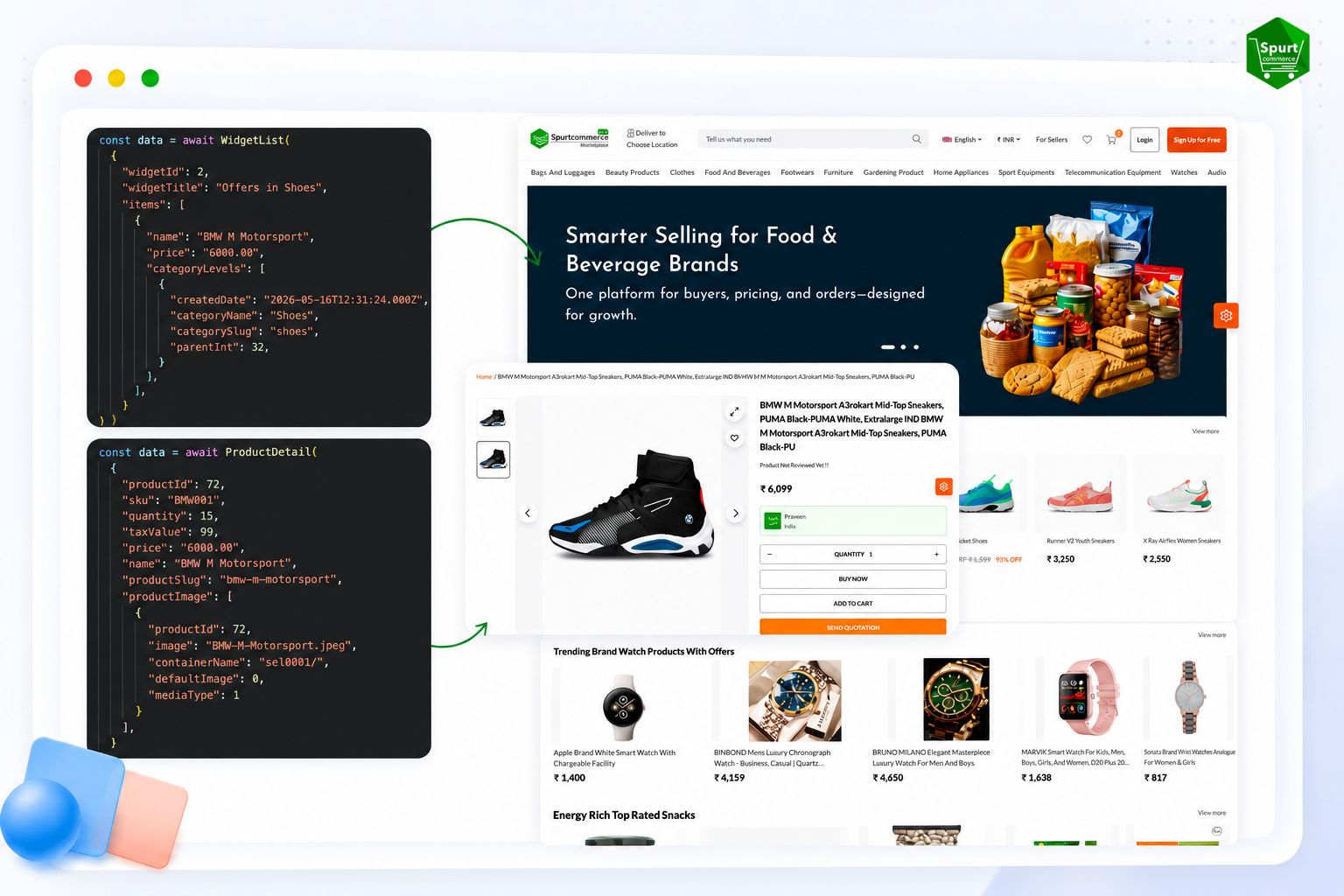
Modern open source ecommerce platforms are built using technologies such as Node.js, React, and Next.js, making development faster and more efficient. Developers can extend functionality, create custom modules, and integrate third-party services without waiting for vendor updates.
This modern architecture also improves application performance, enhances security, and simplifies long-term maintenance, allowing businesses to innovate faster and respond quickly to changing market demands.
Investing in an ecommerce platform is a long-term decision. Businesses need technology that can adapt as customer expectations, market trends, and digital commerce continue to evolve.
Open source platforms provide the flexibility to adopt emerging technologies such as Artificial Intelligence (AI), headless commerce, automation, advanced analytics, and omnichannel selling without replacing the entire platform.
Instead of being restricted by a vendor's roadmap, businesses can continuously improve their ecommerce ecosystem while staying competitive in a rapidly changing market.
One of the biggest advantages of open source software is its active global developer community.
Thousands of developers contribute improvements, identify security vulnerabilities, create new integrations, and share best practices. This continuous innovation helps open source platforms evolve much faster than many proprietary solutions.
Businesses also benefit from faster bug fixes, improved security, and access to a wide range of community-developed extensions. When combined with professional support from companies like SpurtCommerce, organizations receive both community-driven innovation and enterprise-grade reliability.
Spurtcommerce is an open source ecommerce platform designed for businesses that need flexibility, scalability, and complete control over their ecommerce operations.
Built with modern technologies like Node.js, React, and Next.js, SpurtCommerce enables businesses to build customized ecommerce experiences without being limited by proprietary software.
Key capabilities include:
Whether you're launching a new marketplace or modernizing an existing ecommerce platform, SpurtCommerce provides the tools needed to build scalable and future-ready commerce solutions.
Open source ecommerce is an excellent choice for businesses that:
If your business requires more flexibility than a standard ecommerce platform can offer, open source provides the foundation for long-term success.
Businesses today need ecommerce platforms that are flexible, scalable, and capable of adapting to changing customer expectations.
Open source ecommerce allows organizations to innovate faster, integrate with existing business systems, reduce long-term costs, and build solutions tailored to their unique operational requirements. Rather than being limited by predefined features, businesses gain the freedom to create a commerce platform that truly supports their growth strategy.
This flexibility is why more startups, enterprises, manufacturers, wholesalers, and marketplace operators are choosing open source ecommerce for their digital transformation initiatives.
Every business is unique, and your ecommerce platform should reflect that. Open source ecommerce platforms provide the flexibility to customize workflows, integrate with existing systems, and scale without the limitations of proprietary software.
With Spurtcommerce, businesses gain an open source platform built for modern commerce, whether it's a B2B portal, B2C store, or multi-vendor marketplace. By combining complete customization, modern architecture, and enterprise-ready features, SpurtCommerce empowers businesses to build ecommerce solutions that are ready for today's challenges and tomorrow's opportunities.
As digital commerce continues to evolve, choosing an open source ecommerce platform is more than a technology decision, it's an investment in long-term flexibility, innovation, and business growth.


 B2C , B2B Marketplace
 Downloadable Products
 Subscription-based Marketplace
 Booking Services Marketplace
 Social Commerce Marketplace
 Digital Products
Marketplace
Digital Products
Marketplace Content Marketplace


 Items are
added
Items are
added